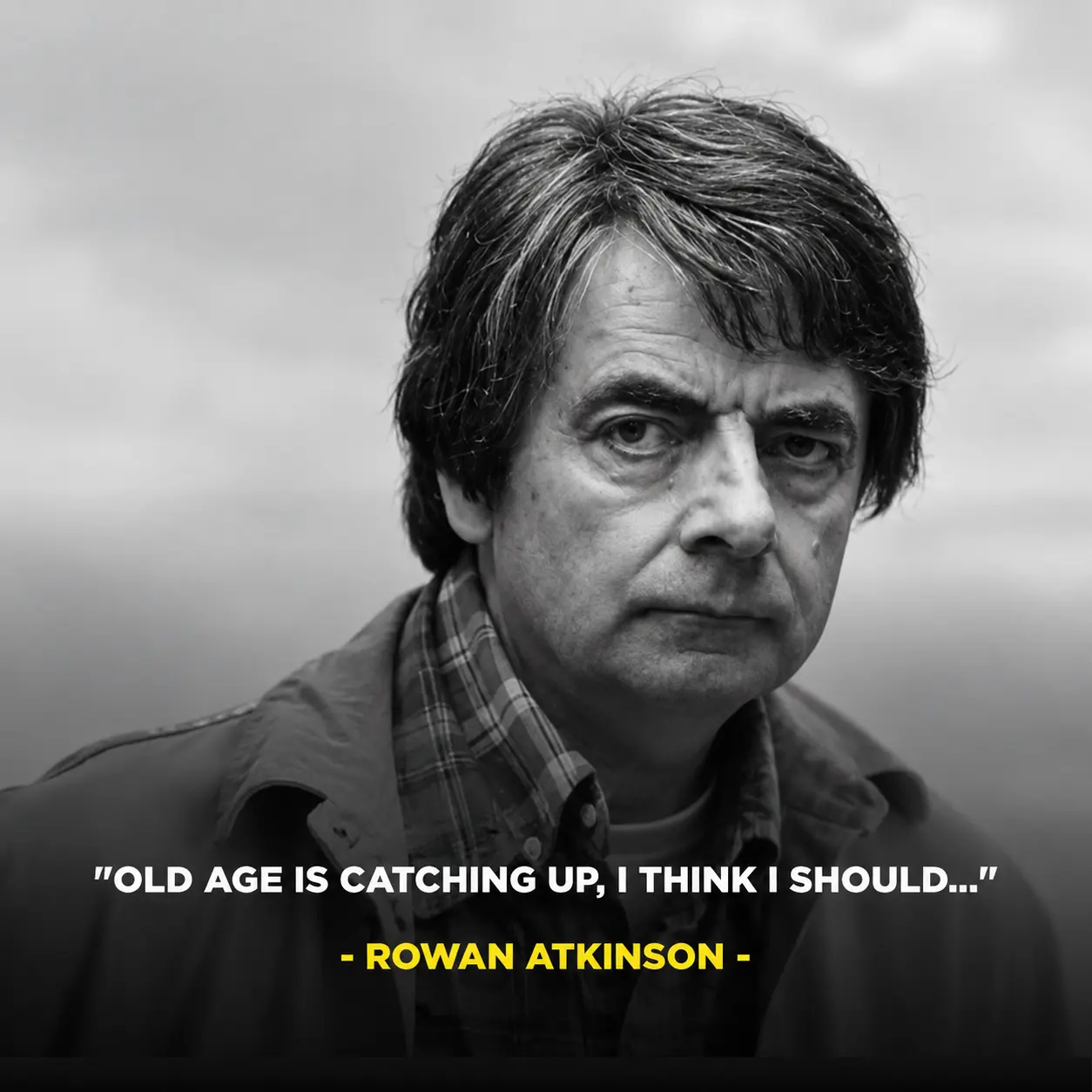
AT 71 YEARS OLD, ROWAN ATKINSON QUIETLY ANNOUNCES HIS RETIREMENT TO DEDICATE HIS LIFE TO PHILANTHROPY AND MENTORING YOUNG ACTORS
FULL STORY IN THE COMMENT BELOW 👇
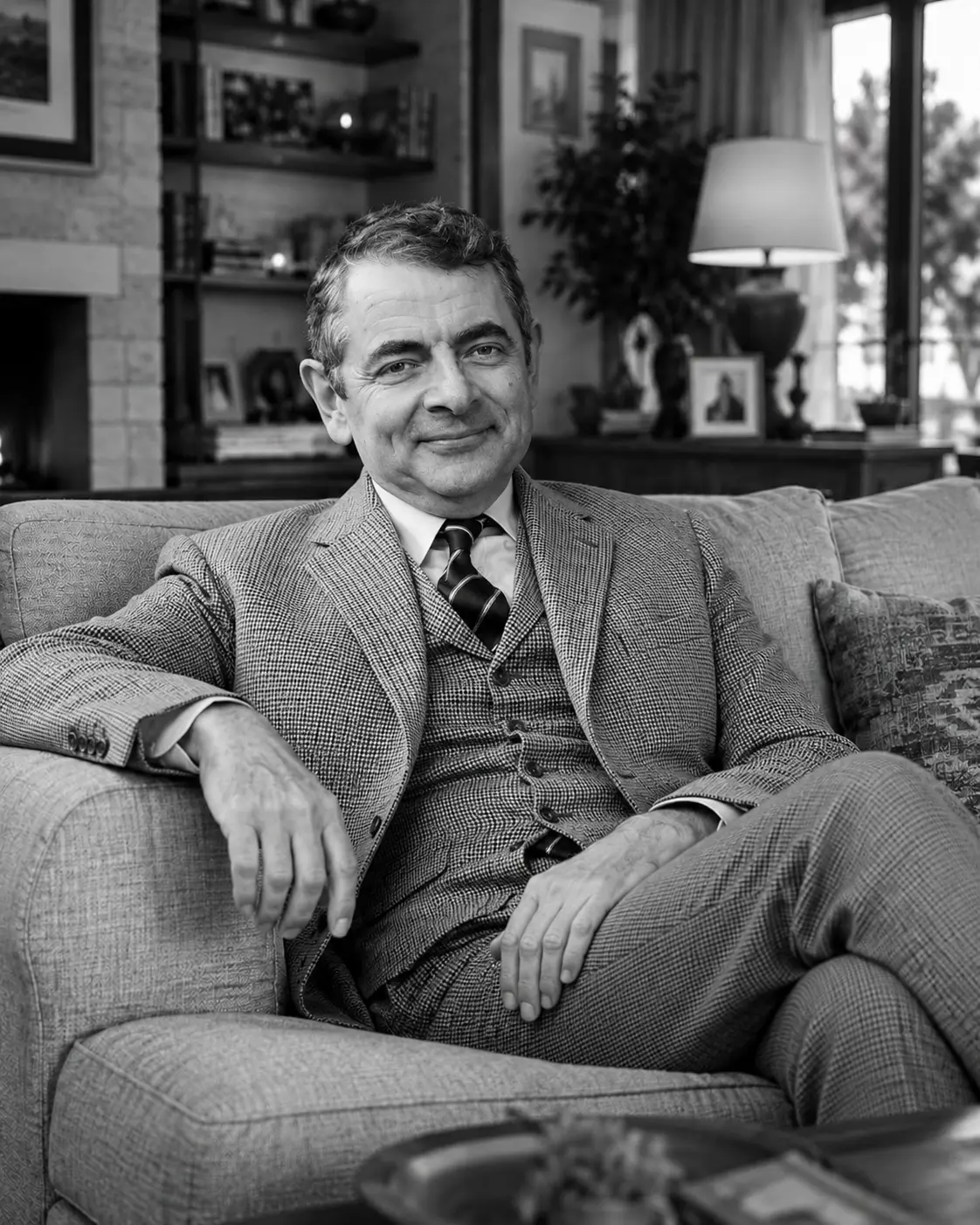
For more than four decades, Rowan Atkinson has occupied a unique place in entertainment. He has made audiences laugh without needing elaborate dialogue, created characters recognized across continents, and built a body of work that continues to attract new viewers long after its original release.
Now, however, an emotional claim circulating around the legendary British comedian suggests that Atkinson, at 71, has quietly decided to step away from acting and dedicate the next chapter of his life to philanthropy and mentoring younger performers.
For longtime fans, the idea immediately feels like the end of an era.
But there is an important distinction between an emotional viral announcement and a confirmed retirement. The material accompanying this claim does not include an official statement from Atkinson, his representatives, or an identifiable interview confirming that he has retired or announced plans to devote himself specifically to philanthropy and mentoring young actors.
So while the premise has prompted an emotional conversation about his legacy, the retirement itself should not be treated as established fact without confirmation.
What requires no speculation is the extraordinary career that makes the possibility of his retirement so significant.
Born in England in January 1955, Atkinson followed an unusual route into entertainment. Before becoming one of Britain's most recognizable comedians, he studied electrical engineering.
At first glance, engineering and comedy might appear to have almost nothing in common.
Watch Atkinson closely, however, and the connection becomes surprisingly clear.
His comedy is extraordinarily precise.
The movement of an eyebrow matters.
The direction of his eyes matters.
A pause lasting one second instead of half a second can transform a scene.
Behind the apparent chaos is meticulous control.
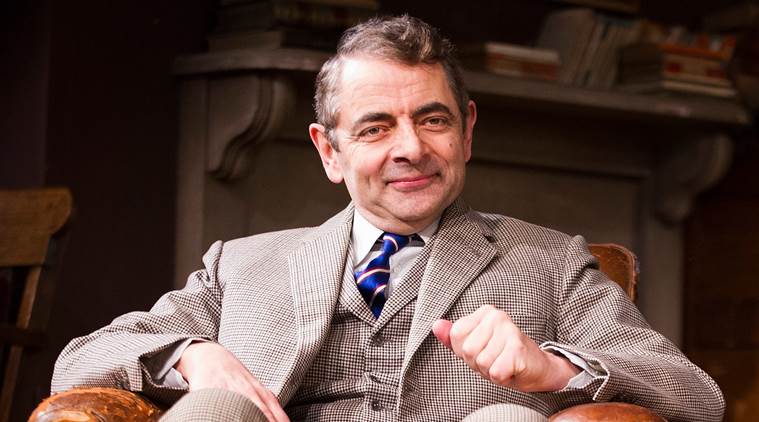
That precision became apparent during Atkinson's early career, including his work on Not the Nine O'Clock News. But Blackadder demonstrated just how versatile he could be.
Edmund Blackadder was verbal, cynical, calculating and devastatingly sarcastic.
The comedy relied on dialogue.
Atkinson could take an elaborate sentence and deliver it with such careful timing that every word contributed to the joke.
Then came the character who changed everything.
Mr. Bean.
When Mr. Bean first appeared on British television in 1990, audiences encountered an entirely different side of Atkinson's abilities.
Where Blackadder talked, Bean frequently remained silent.
Where Blackadder manipulated people through language, Bean stumbled through ordinary situations using bizarre logic that made perfect sense only to him.
Atkinson's face became the language.
One glance could tell audiences that Bean had spotted an opportunity.
One nervous expression could reveal that his plan had failed.
And that unmistakable smile could announce that he believed he had succeeded — even while everyone watching knew disaster was only seconds away.
That approach made Mr. Bean exceptionally easy to understand internationally.
Audiences didn't need fluent English.
Physical embarrassment required no translation.
Neither did frustration, jealousy, panic, mischief, or triumph.
Mr. Bean became a global phenomenon.
For many viewers, he wasn't simply a British television character anymore. He became part of childhood.
That distinction matters when people encounter a headline suggesting that Atkinson is retiring.
People aren't only reacting to the possible end of an actor's career.
They are reacting to the passage of time.
The children who watched Mr. Bean in the 1990s are adults now.
Many have children of their own.
Some have introduced those children to the exact same episodes.
The remarkable thing is that the comedy still works.
The world surrounding Mr. Bean has changed dramatically, but the fundamental humor remains recognizable.
Atkinson later found international success with another character, Johnny English.
The overconfident secret agent offered the perfect combination of physical comedy and parody. Johnny believed he possessed extraordinary intelligence and ability, while the audience could see that luck was frequently doing considerably more work than competence.
Once again, Atkinson turned failure into laughter.
Yet the viral retirement story raises an intriguing question.
What does someone do after creating that kind of legacy?
The claim suggests philanthropy and mentorship.
There is something emotionally appealing about the idea of an established performer turning toward younger generations after decades in the spotlight.
Imagine the knowledge accumulated over Atkinson's career.
He has worked across television, cinema and live performance.
He experienced entertainment before the internet transformed distribution.
He watched television move from scheduled broadcasting into streaming.
He saw physical media rise and decline.
He witnessed social media give decades-old comedy scenes entirely new audiences.
Most importantly, he learned how to create comedy capable of surviving all those transitions.
That experience would undoubtedly be fascinating to younger performers.
Atkinson's career demonstrates lessons that extend beyond comedy.
One is the value of precision.
Another is restraint.
Modern entertainment frequently encourages creators to do more — speak more, move faster, provide constant stimulation.
Mr. Bean often proved the opposite.
Sometimes silence is funnier.
Sometimes waiting creates the joke.
Sometimes one expression communicates more effectively than an entire paragraph.
There is also a lesson in individuality.
Atkinson did not become internationally successful by imitating a conventional leading man.
He leaned into what made him unusual.
His distinctive facial expressions, voice, physicality and intellectual approach to comedy became strengths rather than obstacles.
That is potentially valuable advice for any young performer.
But whether Atkinson has actually decided to become a formal mentor is another question entirely.
The same applies to the philanthropy portion of the viral claim.
It would be inappropriate to invent a charitable foundation, donation, mentorship program, or financial commitment that has not been established.
A compelling headline should not become an excuse to manufacture details.
Atkinson's genuine achievements already provide enough material for reflection.
His career crossed generations.
His characters crossed languages.
His work survived enormous technological changes.
And perhaps most impressively, comedy created decades ago continues making people laugh today.
That is not easy.
Comedy can age quickly because it is often closely tied to the culture and circumstances of a particular moment.
Mr. Bean frequently escaped that limitation because the humor was rooted in recognizable human behavior.
Everyone understands wanting to avoid embarrassment.
Everyone understands pretending to know what they are doing.
Everyone understands frustration when something simple becomes unnecessarily complicated.
Bean turned those experiences into absurdity.
That is why an old clip can suddenly appear on a teenager's phone in 2026 and still work.
It is also why Atkinson's eventual retirement — whenever he actually chooses it — will be about far more than the conclusion of another acting career.
It will mark a generational transition.
But retirement does not erase a performer.
Atkinson's characters are already part of entertainment history.
Mr. Bean will continue entering that strange little green Mini.
Blackadder will continue delivering perfectly timed insults.
Johnny English will continue confidently walking into situations he completely misunderstands.
Press play, and the performances return.
That is one of the strange gifts of film and television.
Time moves forward for performers and audiences, but their work can remain waiting exactly where they left it.
If Atkinson eventually chooses to spend more of his later years supporting charitable causes, helping younger actors, enjoying his private life, or simply working less, that decision will belong to him.
He has already spent decades giving audiences something enormously valuable.
Laughter.
Not abstract laughter measured by ratings or box-office figures, but the kind attached to personal memories.
Families sitting together.
Children laughing beside parents.
Friends repeating favorite scenes.
A difficult day becoming slightly easier because Mr. Bean appeared on screen and everything went wrong in exactly the right way.
That is a legacy no retirement announcement can diminish.
For now, the specific claim that Rowan Atkinson has officially retired to dedicate his life to philanthropy and mentoring should await an identifiable statement before being presented as confirmed news.
But the emotional response to the possibility says something genuine.
People are not ready to say goodbye because Atkinson's work has been with them for so long.
And whenever he ultimately decides that the final curtain should fall, perhaps the most appropriate response will not be sadness.
It will be gratitude.
Thank you for Blackadder. Thank you for Johnny English. Thank you for Mr. Bean. And above all, thank you for decades of laughter that will continue long after the cameras stop rolling.